Choosing The Right Materials For Your Retaining Wall: A Comprehensive Guide
A retaining wall is an essential structure that helps to prevent soil erosion and maintain the stability of a sloping terrain. It also adds visual appeal to your landscape design, making it an important element in both residential and commercial properties.
When it comes to constructing a retaining wall, one of the most crucial decisions you’ll have to make is choosing the right materials. With various options available in the market, such as concrete, wood, natural stone, and interlocking blocks, it can be overwhelming to make a choice. In this comprehensive guide, we will delve into each material’s pros and cons to help you select the most suitable one for your retaining wall project.
To make an informed decision on the best material for your retaining wall, expert advice is key. At Molina & Son Brick Pavers Inc., we leverage our 20-plus years of experience to guide you through the selection process, considering factors like soil type, budget, and design preferences. Your retaining wall is a crucial aspect of your property’s aesthetic appeal and durability. Don’t leave its construction to chance—contact us today to ensure your project’s success!
Concrete
One of the most popular materials for constructing retaining walls is concrete. It is known for its durability and strength, making it suitable for supporting large amounts of soil. Concrete retaining walls can be constructed using various techniques such as poured-in-place, precast blocks, or concrete blocks.
Pros: ● Highly durable and long-lasting ● Easy to install ● Can be customized in terms of shape, size, and color
Cons: ● Requires professional installation for proper drainage ● Can be more expensive compared to other materials ● May develop cracks over time due to weather conditions
Wood
Wood retaining walls add a natural and rustic charm to any landscape design. They are typically constructed using pressure-treated timber or railroad ties, making them more affordable than concrete options. Pros: ● Cost-effective ● Easy to work with and install ● Can be easily replaced if damaged
Cons: ● Not as durable as other materials and may rot or warp over time ● Prone to termite and insect damage ● Requires regular maintenance such as staining or painting to prevent decay
Natural Stone
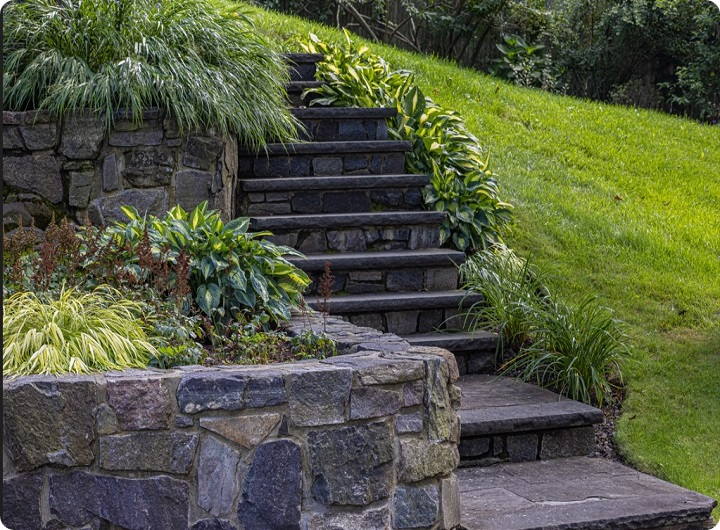
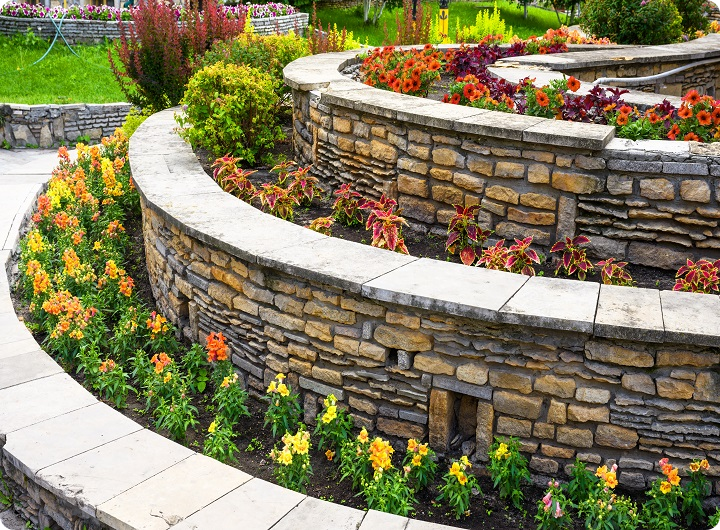
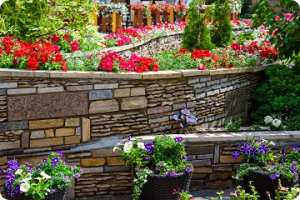
For a more traditional and elegant look, natural stone retaining walls are an excellent option. They offer a timeless appeal and can withstand harsh weather conditions. Pros: ● Aesthetically pleasing ● Highly durable and long-lasting ● Adds value to your property Cons: ● Can be more expensive than other materials ● Requires skilled labor for proper installation ● Limited design options compared to other materials such as concrete or interlocking blocks
Interlocking Blocks
Interlocking blocks are a popular choice for retaining walls due to their ease of installation and versatility. These precast blocks fit together like puzzle pieces, creating a sturdy and durable structure. Pros: ● Easy to install, making it a great DIY project ● Can be easily replaced if damaged ● Offers various design options with different textures and colors available
Cons: ● May not be suitable for high or steep walls ● Can be more expensive than other materials such as wood or natural stone ● May require additional drainage solutions for proper installation.
Factors To Consider When Choosing The Right Material
When deciding on the best material for your retaining wall, it’s essential to consider several factors, including:
● Soil type: Different soil types have varying water retention capacities and levels of erosion. It’s crucial to choose a material that can withstand the pressure from your soil type. ● Budget: Materials such as natural stone and interlocking blocks can be more expensive, so it’s essential to consider your budget before making a choice. ● Design preferences: Each material offers different design options, so it’s essential to choose one that complements your landscape design.
Why Choose MOLINA & SON BRICK PAVERS INC
With over 20 years of experience, MOLINA & SON BRICK PAVERS INC is your go-to destination for all your retaining wall needs. Our team of experts can help you select the right material for your project and provide professional installation services to ensure a long-lasting and visually appealing retaining wall. So why wait? Give us a call today at 561-248-2509 or 772-242-0129 and let us help you transform your outdoor space!
In conclusion, there is no one-size-fits-all solution when it comes to choosing the right material for your retaining wall. It’s essential to evaluate each option carefully and consider your specific needs and preferences. Whether you opt for a sturdy concrete wall or a natural stone beauty, remember that proper installation and maintenance are key to ensuring its longevity and functionality. So be sure to consult with professionals and follow maintenance guidelines to keep your retaining wall looking beautiful for years to come. Now, you are equipped with the right knowledge to make an informed decision on the material that best suits your needs.
Stone is a highly durable material for retaining walls. Its natural strength and resistance to weathering make it an excellent choice for long-lasting outdoor structures.
What is the best material for a retaining wall on a slope?
The best material for a retaining wall on a slope is typically reinforced concrete or interlocking blocks. These materials provide excellent stability and drainage, essential for managing soil pressure and preventing erosion.
Is brick a good material for constructing retaining walls?
Brick is a durable and aesthetically pleasing material for constructing retaining walls. It offers good structural integrity and can withstand various weather conditions, but proper drainage is essential to prevent moisture-related issues.
Can I mix materials for a retainer wall?
Mixing materials for a retaining wall is possible and can enhance both aesthetics and functionality. However, it's essential to consider compatibility and structural integrity to ensure durability and effectiveness.
What are the most common materials used for retaining walls?
The most common materials used for retaining walls include concrete, wood, natural stone, and interlocking blocks, each offering unique benefits and considerations for durability and aesthetics.
What is the most durable retaining wall material available?
The most durable retaining wall material available is concrete. It offers exceptional strength, longevity, and resistance to weathering, making it ideal for both residential and commercial projects.
Is concrete a good material for building retaining walls?
Concrete is an excellent material for building retaining walls due to its strength, durability, and ability to withstand heavy loads. It is resistant to weathering and can be molded into various shapes, making it a versatile choice for any landscape.
How long do wooden retaining walls typically last?
Wooden retaining walls typically last between 10 to 20 years, depending on factors such as the type of wood used, maintenance, and environmental conditions. Proper treatment and care can extend their lifespan significantly.
Is brick a good material for building retainer walls?
Brick is a viable material for building retaining walls due to its durability and aesthetic appeal. However, it may require proper drainage and support to prevent moisture-related issues.
Is gabion a suitable material for retaining walls in wet areas?
Gabion is a suitable material for retaining walls in wet areas due to its excellent drainage properties and ability to withstand hydrostatic pressure, making it an effective choice for managing water-related challenges.
How durable are steel retaining walls?
Steel retaining walls are highly durable, offering excellent resistance to weather conditions, soil pressure, and corrosion when properly treated. With a lifespan of 30 to 50 years, they are a robust choice for long-term landscaping solutions.
Which material is best for retaining walls in wet climates?
The best material for retaining walls in wet climates is concrete, as it offers durability and resistance to water damage. Additionally, interlocking blocks can be effective due to their drainage capabilities, helping to manage moisture effectively.
What are the advantages of using stone for retaining walls?
The advantages of using stone for retaining walls include its durability, natural aesthetic appeal, and excellent load-bearing capacity. Stone walls can withstand harsh weather conditions and require minimal maintenance, making them a long-lasting investment for both residential and commercial properties.
How does wood compare to other retaining wall materials?
Wood offers a natural aesthetic and is often more affordable than other materials, but it has a shorter lifespan and is susceptible to rot and pests. In contrast, materials like concrete and stone provide greater durability and strength, making them more suitable for long-term retaining wall projects.
What are the benefits of using metal for retaining walls?
The benefits of using metal for retaining walls include durability, resistance to rot and pests, and a sleek aesthetic that complements modern landscapes. Additionally, metal walls can be easier to install and require less maintenance over time.
What are the benefits of using brick for retaining walls?
The benefits of using brick for retaining walls include durability, aesthetic appeal, and low maintenance. Brick provides excellent structural integrity and can withstand various weather conditions, making it an ideal choice for both residential and commercial projects.
What are the benefits of using stone for retainer walls?
The benefits of using stone for retaining walls include exceptional durability, natural aesthetics, and excellent drainage properties. Stone walls can withstand harsh weather conditions and provide a timeless look that enhances the landscape.
Are plastic retaining walls eco-friendly?
Plastic retaining walls can be considered eco-friendly as they are often made from recycled materials, reducing waste. Additionally, they require less energy to produce compared to traditional materials, making them a sustainable choice for landscaping projects.
What is the cost of building a concrete retainer wall?
The cost of building a concrete retainer wall varies based on factors such as height, length, and site conditions, typically ranging from $15 to $30 per square foot. For an accurate estimate, it's best to consult a professional.
Can I use metal for building a retaining wall?
Metal can be used for building a retaining wall, offering durability and a modern aesthetic. However, it may require additional treatments to prevent rust and corrosion, making it essential to consider these factors before choosing this material.
Can I use wood for a retaining wall in my garden?
Using wood for a retaining wall in your garden is possible, but it typically requires treated lumber to withstand moisture and decay. While it offers a natural aesthetic, wood may have a shorter lifespan compared to other materials.
Is vinyl a suitable material for building retaining walls?
Vinyl is not typically considered a suitable material for building retaining walls. While it may offer aesthetic appeal, it lacks the structural strength and durability required to effectively hold back soil and withstand environmental pressures.
Which material is most cost-effective for retaining walls?
The most cost-effective material for retaining walls is typically concrete. It offers durability, low maintenance, and affordability compared to other options, making it a popular choice for both residential and commercial projects.
Can I use glass for building a retainer wall?
Using glass for building a retaining wall is generally not recommended due to its lack of structural integrity and durability compared to traditional materials. Glass may be suitable for decorative elements but not for load-bearing applications.
Is concrete the best material for building retaining walls?
Concrete is often considered one of the best materials for building retaining walls due to its durability, strength, and versatility. However, the best choice ultimately depends on specific project requirements and aesthetic preferences.
Can I use wood for constructing a retainer wall?
Using wood for constructing a retaining wall is possible, but it has limitations. While wood can be cost-effective and aesthetically pleasing, it may not be as durable as other materials and is susceptible to rot and pests over time.
What is the strongest material for retaining walls?
The strongest material for retaining walls is typically reinforced concrete. Its durability and ability to withstand significant pressure make it ideal for supporting soil and preventing erosion in various landscapes.
Are there any eco-friendly materials for retaining walls?
Eco-friendly materials for retaining walls include recycled concrete, sustainably sourced wood, and natural stones. These options not only reduce environmental impact but also provide durability and aesthetic appeal for your landscaping projects.
Are concrete blocks suitable for building retainer walls?
Concrete blocks are suitable for building retaining walls due to their strength, durability, and resistance to weathering. They provide excellent structural support and can be easily customized for various designs, making them a popular choice for both residential and commercial projects.
What are the most common materials used for retainer walls?
The most common materials used for retaining walls include concrete, wood, natural stone, and interlocking blocks. Each option has unique benefits and drawbacks, making it essential to choose the right material for your specific project needs.
best material for retaining wall, retaining walls materials
Stone is a highly durable material for retaining walls. Its natural strength and resistance to weathering make it an excellent choice for long-lasting outdoor structures.
What is the best material for a retaining wall on a slope?
The best material for a retaining wall on a slope is typically reinforced concrete or interlocking blocks. These materials provide excellent stability and drainage, essential for managing soil pressure and preventing erosion.
Is brick a good material for constructing retaining walls?
Brick is a durable and aesthetically pleasing material for constructing retaining walls. It offers good structural integrity and can withstand various weather conditions, but proper drainage is essential to prevent moisture-related issues.
Can I mix materials for a retainer wall?
Mixing materials for a retaining wall is possible and can enhance both aesthetics and functionality. However, it's essential to consider compatibility and structural integrity to ensure durability and effectiveness.
What are the most common materials used for retaining walls?
The most common materials used for retaining walls include concrete, wood, natural stone, and interlocking blocks, each offering unique benefits and considerations for durability and aesthetics.
What is the most durable retaining wall material available?
The most durable retaining wall material available is concrete. It offers exceptional strength, longevity, and resistance to weathering, making it ideal for both residential and commercial projects.
Is concrete a good material for building retaining walls?
Concrete is an excellent material for building retaining walls due to its strength, durability, and ability to withstand heavy loads. It is resistant to weathering and can be molded into various shapes, making it a versatile choice for any landscape.
How long do wooden retaining walls typically last?
Wooden retaining walls typically last between 10 to 20 years, depending on factors such as the type of wood used, maintenance, and environmental conditions. Proper treatment and care can extend their lifespan significantly.
Is brick a good material for building retainer walls?
Brick is a viable material for building retaining walls due to its durability and aesthetic appeal. However, it may require proper drainage and support to prevent moisture-related issues.
Is gabion a suitable material for retaining walls in wet areas?
Gabion is a suitable material for retaining walls in wet areas due to its excellent drainage properties and ability to withstand hydrostatic pressure, making it an effective choice for managing water-related challenges.
How durable are steel retaining walls?
Steel retaining walls are highly durable, offering excellent resistance to weather conditions, soil pressure, and corrosion when properly treated. With a lifespan of 30 to 50 years, they are a robust choice for long-term landscaping solutions.
Which material is best for retaining walls in wet climates?
The best material for retaining walls in wet climates is concrete, as it offers durability and resistance to water damage. Additionally, interlocking blocks can be effective due to their drainage capabilities, helping to manage moisture effectively.
What are the advantages of using stone for retaining walls?
The advantages of using stone for retaining walls include its durability, natural aesthetic appeal, and excellent load-bearing capacity. Stone walls can withstand harsh weather conditions and require minimal maintenance, making them a long-lasting investment for both residential and commercial properties.
How does wood compare to other retaining wall materials?
Wood offers a natural aesthetic and is often more affordable than other materials, but it has a shorter lifespan and is susceptible to rot and pests. In contrast, materials like concrete and stone provide greater durability and strength, making them more suitable for long-term retaining wall projects.
What are the benefits of using metal for retaining walls?
The benefits of using metal for retaining walls include durability, resistance to rot and pests, and a sleek aesthetic that complements modern landscapes. Additionally, metal walls can be easier to install and require less maintenance over time.
What are the benefits of using brick for retaining walls?
The benefits of using brick for retaining walls include durability, aesthetic appeal, and low maintenance. Brick provides excellent structural integrity and can withstand various weather conditions, making it an ideal choice for both residential and commercial projects.
What are the benefits of using stone for retainer walls?
The benefits of using stone for retaining walls include exceptional durability, natural aesthetics, and excellent drainage properties. Stone walls can withstand harsh weather conditions and provide a timeless look that enhances the landscape.
Are plastic retaining walls eco-friendly?
Plastic retaining walls can be considered eco-friendly as they are often made from recycled materials, reducing waste. Additionally, they require less energy to produce compared to traditional materials, making them a sustainable choice for landscaping projects.
What is the cost of building a concrete retainer wall?
The cost of building a concrete retainer wall varies based on factors such as height, length, and site conditions, typically ranging from $15 to $30 per square foot. For an accurate estimate, it's best to consult a professional.
Can I use metal for building a retaining wall?
Metal can be used for building a retaining wall, offering durability and a modern aesthetic. However, it may require additional treatments to prevent rust and corrosion, making it essential to consider these factors before choosing this material.
Can I use wood for a retaining wall in my garden?
Using wood for a retaining wall in your garden is possible, but it typically requires treated lumber to withstand moisture and decay. While it offers a natural aesthetic, wood may have a shorter lifespan compared to other materials.
Is vinyl a suitable material for building retaining walls?
Vinyl is not typically considered a suitable material for building retaining walls. While it may offer aesthetic appeal, it lacks the structural strength and durability required to effectively hold back soil and withstand environmental pressures.
Which material is most cost-effective for retaining walls?
The most cost-effective material for retaining walls is typically concrete. It offers durability, low maintenance, and affordability compared to other options, making it a popular choice for both residential and commercial projects.
Can I use glass for building a retainer wall?
Using glass for building a retaining wall is generally not recommended due to its lack of structural integrity and durability compared to traditional materials. Glass may be suitable for decorative elements but not for load-bearing applications.
Is concrete the best material for building retaining walls?
Concrete is often considered one of the best materials for building retaining walls due to its durability, strength, and versatility. However, the best choice ultimately depends on specific project requirements and aesthetic preferences.
Can I use wood for constructing a retainer wall?
Using wood for constructing a retaining wall is possible, but it has limitations. While wood can be cost-effective and aesthetically pleasing, it may not be as durable as other materials and is susceptible to rot and pests over time.
What is the strongest material for retaining walls?
The strongest material for retaining walls is typically reinforced concrete. Its durability and ability to withstand significant pressure make it ideal for supporting soil and preventing erosion in various landscapes.
Are there any eco-friendly materials for retaining walls?
Eco-friendly materials for retaining walls include recycled concrete, sustainably sourced wood, and natural stones. These options not only reduce environmental impact but also provide durability and aesthetic appeal for your landscaping projects.
Are concrete blocks suitable for building retainer walls?
Concrete blocks are suitable for building retaining walls due to their strength, durability, and resistance to weathering. They provide excellent structural support and can be easily customized for various designs, making them a popular choice for both residential and commercial projects.
What are the most common materials used for retainer walls?
The most common materials used for retaining walls include concrete, wood, natural stone, and interlocking blocks. Each option has unique benefits and drawbacks, making it essential to choose the right material for your specific project needs.
best material for retaining wall, retaining walls materials


 To make an informed decision on the best material for your retaining wall, expert advice is key. At Molina & Son Brick Pavers Inc., we leverage our 20-plus years of experience to guide you through the selection process, considering factors like soil type, budget, and design preferences. Your retaining wall is a crucial aspect of your property’s aesthetic appeal and durability. Don’t leave its construction to chance—contact us today to ensure your project’s success!
 Wood retaining walls add a natural and rustic charm to any landscape design. They are typically constructed using pressure-treated timber or railroad ties, making them more affordable than concrete options.